"I saw my whole life as if I had already lived it. An endless parade of parties and cotillions, yachts and polo matches. Always the same narrow people, the same mindless chatter. I felt like I was standing at a great precipice, with no one to pull me back, no one who cared... or even noticed."
--Rose Dawson (Titanic)
Today we suddenly lost someone who helped A LOT of people. At Minyanville, we like to say we're a community where people watch each other's back. When one of us goes down unexpectedly, it's especially painful.
I'm feeling it, Bennet.
I know your passing is reminding us to make it count. I intend not to let you down, my friend.
Tuesday, March 17, 2009

Monday, March 16, 2009
Hope Chest
When it will be right, I don't know
What it will be like, I don't know
We live in hope of deliverance from the darkness that surrounds us
--Paul McCartney
Fed chairman Ben Bernanke was on 60 Minutes claiming that the recession will be over inside of one year. This is making headlines this morning and markets are up nicely.
Perhaps the recession will end quickly and heaven knows markets have been looking for an excuse to rally.
If you're basing your investment decisions and outlook on the prognostications of Mr Bernanke, you'd be wise to first consider his track record. The Fed chief has presided over the largest credit bubble in the history of the world and its subsequent poppage. Not once did he foresee the problem--at least on the record.
Chances of his ability to suddenly be able to forecast accurately seem pretty small.
What it will be like, I don't know
We live in hope of deliverance from the darkness that surrounds us
--Paul McCartney
Fed chairman Ben Bernanke was on 60 Minutes claiming that the recession will be over inside of one year. This is making headlines this morning and markets are up nicely.
Perhaps the recession will end quickly and heaven knows markets have been looking for an excuse to rally.
If you're basing your investment decisions and outlook on the prognostications of Mr Bernanke, you'd be wise to first consider his track record. The Fed chief has presided over the largest credit bubble in the history of the world and its subsequent poppage. Not once did he foresee the problem--at least on the record.
Chances of his ability to suddenly be able to forecast accurately seem pretty small.
Friday, March 13, 2009
STARKe Attack
Meg Harper: "Joe, have you ever heard of manic depression?"
Joe Scheffer: "Huh? Yeah! [laughing hysterically]"
Meg Harper: "See, this...this is way out of my league."
--Joe Somebody
This past Monday Merck (MRK) announced a $40+ billion buyout of Schering Plough (SGP). For years, I held speculative positions in SGP with a potential takeout as part of the thesis. While waiting, however, previous SGP management ran the company into the ground (thx Dick Kogan), making this position one of the biggest losers of my investment career--and placing it on my 'personal restricted list.'
Moreover, one reason why I recently legged into Merck was the firm's historical tendency to stay away from big mergers. Mergers, you see, usually benefit the seller more than the buyer. Buyers nearly always overpay (why sell your company otherwise?), making it difficult to achieve superior returns on capital. Plus you have the integration issues...
So, I found the merger announcement to be ironic in more ways than one. Upon hearing the news pre-market on Monday, my initial reaction was, well, unfavorable. Others seemed to dislike it as well, as MRK stock was pounded on Monday to the $20 level last seen in 1995.
 Retrospectively, Monday was also a day of general market capitulation, as my FA contacts tell me that many of their clients threw in the towel on stocks in a brutal market sell-off.
Since then, however, pharma shares have done a big about face higher, with MRK closing the week up about 35% off its Monday lows.
These kind of moves make you wonder whether market participants aren't round tripping on Xanax and Zoloft which, I suppose, would be coolio for Pfizer (PFE).
positions in MRK, PFE
Joe Scheffer: "Huh? Yeah! [laughing hysterically]"
Meg Harper: "See, this...this is way out of my league."
--Joe Somebody
This past Monday Merck (MRK) announced a $40+ billion buyout of Schering Plough (SGP). For years, I held speculative positions in SGP with a potential takeout as part of the thesis. While waiting, however, previous SGP management ran the company into the ground (thx Dick Kogan), making this position one of the biggest losers of my investment career--and placing it on my 'personal restricted list.'
Moreover, one reason why I recently legged into Merck was the firm's historical tendency to stay away from big mergers. Mergers, you see, usually benefit the seller more than the buyer. Buyers nearly always overpay (why sell your company otherwise?), making it difficult to achieve superior returns on capital. Plus you have the integration issues...
So, I found the merger announcement to be ironic in more ways than one. Upon hearing the news pre-market on Monday, my initial reaction was, well, unfavorable. Others seemed to dislike it as well, as MRK stock was pounded on Monday to the $20 level last seen in 1995.
 Retrospectively, Monday was also a day of general market capitulation, as my FA contacts tell me that many of their clients threw in the towel on stocks in a brutal market sell-off.
Since then, however, pharma shares have done a big about face higher, with MRK closing the week up about 35% off its Monday lows.
These kind of moves make you wonder whether market participants aren't round tripping on Xanax and Zoloft which, I suppose, would be coolio for Pfizer (PFE).
positions in MRK, PFE
Thursday, March 12, 2009
Bottoms Up
It's time for the good times
Forget about the bad times, oh yeah
One day to come together
To release the pressure
We need a holiday
--Madonna
After 10%+ moves in the broad indexes over the past couple of days, the bottom callers are naturally out in force. A peek at the charts suggests little more than a rebound from deeply oversold conditions at the present time. Most indexes are approaching resistance defined by the November lows. Let's see how prices navigate this first hurdle.
 While there seems to be a fair amount of bullish rhetoric out there, Prof Goepfert points out that actions suggest a bearish bent. Hoofy also has to be encouraged by the leadership exhibited by the banks. The Bank Index (BKX) is up more than 20% in the past few sessions.
As such, we may be set up for a rally that lasts more than a New York minute.
no positions
Forget about the bad times, oh yeah
One day to come together
To release the pressure
We need a holiday
--Madonna
After 10%+ moves in the broad indexes over the past couple of days, the bottom callers are naturally out in force. A peek at the charts suggests little more than a rebound from deeply oversold conditions at the present time. Most indexes are approaching resistance defined by the November lows. Let's see how prices navigate this first hurdle.
 While there seems to be a fair amount of bullish rhetoric out there, Prof Goepfert points out that actions suggest a bearish bent. Hoofy also has to be encouraged by the leadership exhibited by the banks. The Bank Index (BKX) is up more than 20% in the past few sessions.
As such, we may be set up for a rally that lasts more than a New York minute.
no positions
Wednesday, March 11, 2009
Breaking Away
It's been such a long time
I think I should be goin', yeah
And time doesn't wait for me, it keeps on rollin'
--Boston
What word best describes my current level of attention to the markets? Detached. I'm less plugged into the flickering ticks than I've been for quite a while.
While many claim that the only way to play this market environment is to trade 'em, I've elongated my time horizon towards positions that have more 'destination' rather than 'path' thesis. While I still like to follow the granular events and trader thought processes, my investment posture leaves me less inclined to link my actions to the daily flow.
A longer term market frame has likely spared me considerable angst during the market melt over the past year. Ms Market has chewed up traders and spit them out in droves during the past 18 months.
The flip side is that I may be less sensitive to shifts that could materially impact my investment theses. For example, I've taken little action in my positions in select pharma such as Merck (MRK) and Pfizer (PFE) despite recent events (health care reform that appears more eminent w/ the new administration, recent mergers, etc) that may very well impair long term returns on capital with these firms.
That's the risk with an investment posture. You're less likely to react quickly to game changing news, which challenges effective risk management. Compared to traders, investors are likely to suffer significant drawdowns as they piece together emerging info and compare it to their investment story. However, the potential payoff if (big if) 'patient capital' gets it right can be significant.
Maintaining an investment posture in this environment certainly seems less crowded. The book is still out on its value-generating properties...
positions in MRK, PFE
I think I should be goin', yeah
And time doesn't wait for me, it keeps on rollin'
--Boston
What word best describes my current level of attention to the markets? Detached. I'm less plugged into the flickering ticks than I've been for quite a while.
While many claim that the only way to play this market environment is to trade 'em, I've elongated my time horizon towards positions that have more 'destination' rather than 'path' thesis. While I still like to follow the granular events and trader thought processes, my investment posture leaves me less inclined to link my actions to the daily flow.
A longer term market frame has likely spared me considerable angst during the market melt over the past year. Ms Market has chewed up traders and spit them out in droves during the past 18 months.
The flip side is that I may be less sensitive to shifts that could materially impact my investment theses. For example, I've taken little action in my positions in select pharma such as Merck (MRK) and Pfizer (PFE) despite recent events (health care reform that appears more eminent w/ the new administration, recent mergers, etc) that may very well impair long term returns on capital with these firms.
That's the risk with an investment posture. You're less likely to react quickly to game changing news, which challenges effective risk management. Compared to traders, investors are likely to suffer significant drawdowns as they piece together emerging info and compare it to their investment story. However, the potential payoff if (big if) 'patient capital' gets it right can be significant.
Maintaining an investment posture in this environment certainly seems less crowded. The book is still out on its value-generating properties...
positions in MRK, PFE
Monday, March 9, 2009
Out for Blood
I can't believe the news today
Oh, I can't close my eyes and make it go away
How long
How long must we sing this song?
--U2
Bureaucrats have been chanting that credit is the 'lifeblood' of our economy. After Prof Depew points out the absurdity of this claim, Prof Shedlock carries the ball the rest of the way in his excellent follow-up piece.
Another name for credit is debt. An economy cannot thrive on a long term diet of debt. Instead, the lifeblood of an economy is savings. Savings permits capital formation, some of which may be prudently loaned out to improve productivity.
Given our low savings rate, where did all the lending and leverage come from? From fractional reserve banking. This gigantic Ponzi scheme permitted credit to be extended with no savings to back it up. As with all pyramid schemes, this one was certain to fail. Pinpointing the timing of the collapse, and from what height it would ultimately plummet, was the difficult thing.
Now we are seeking to rebuild the pyramid with another round of lending with no savings to support it.
A lifeblood of leverage leads to certain death. Time for a transfusion.
Oh, I can't close my eyes and make it go away
How long
How long must we sing this song?
--U2
Bureaucrats have been chanting that credit is the 'lifeblood' of our economy. After Prof Depew points out the absurdity of this claim, Prof Shedlock carries the ball the rest of the way in his excellent follow-up piece.
Another name for credit is debt. An economy cannot thrive on a long term diet of debt. Instead, the lifeblood of an economy is savings. Savings permits capital formation, some of which may be prudently loaned out to improve productivity.
Given our low savings rate, where did all the lending and leverage come from? From fractional reserve banking. This gigantic Ponzi scheme permitted credit to be extended with no savings to back it up. As with all pyramid schemes, this one was certain to fail. Pinpointing the timing of the collapse, and from what height it would ultimately plummet, was the difficult thing.
Now we are seeking to rebuild the pyramid with another round of lending with no savings to support it.
A lifeblood of leverage leads to certain death. Time for a transfusion.
Thursday, March 5, 2009
Tea & Crumpets
You say you'll change the constitution
Well you know
We all want to change your head
You tell me it's the institution
Well you know
You better free your mind instead
--The Beatles
Away from mainstream media, thought that opposes government interventionary efforts has been swelling. Jim Rogers is pounding the audio and video waves. Lew Rockwell penned a nice piece describing the loss of standard of living when government appropriates capital from private hands.
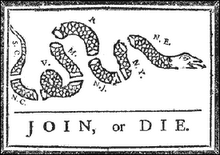
I view this groundswell movement as a positive. It could precipitate a movement similar to the one that preceded our original battle for liberty more than 200 yrs ago.
Well you know
We all want to change your head
You tell me it's the institution
Well you know
You better free your mind instead
--The Beatles
Away from mainstream media, thought that opposes government interventionary efforts has been swelling. Jim Rogers is pounding the audio and video waves. Lew Rockwell penned a nice piece describing the loss of standard of living when government appropriates capital from private hands.
I view this groundswell movement as a positive. It could precipitate a movement similar to the one that preceded our original battle for liberty more than 200 yrs ago.
Active Agency
We are matching spark and flame
Caught in endless repetition
Life for life we'll be the same
--The Fixx
Jeff Macke and other commentators have been banging the drum to eliminate the credit rating agencies. The thinking is that, because so many money managers pin their actions on the credit ratings supplied by Moody's and S&P, a downgrade to, say, General Electric (GE), in a 'down' market sparks a selling stampede.
The ratings agency witch hunt seems misplaced. We should ponder instead why money managers have become so dependent on agency-sponsored ratings rather than doing their own homework.
It's not the rating agency's fault that managers mindlessly follow credit rater actions. Agency problems are not solved until principals take responsibility for their own actions.
no positions
Caught in endless repetition
Life for life we'll be the same
--The Fixx
Jeff Macke and other commentators have been banging the drum to eliminate the credit rating agencies. The thinking is that, because so many money managers pin their actions on the credit ratings supplied by Moody's and S&P, a downgrade to, say, General Electric (GE), in a 'down' market sparks a selling stampede.
The ratings agency witch hunt seems misplaced. We should ponder instead why money managers have become so dependent on agency-sponsored ratings rather than doing their own homework.
It's not the rating agency's fault that managers mindlessly follow credit rater actions. Agency problems are not solved until principals take responsibility for their own actions.
no positions
Monday, March 2, 2009
Long and Wrong
"On any other day, that might seem strange."
--Cameron Poe (Con Air)
In his annual Letter to Shareholders, Berkshire Hathaway chairman Warren Buffett often discusses a 'mistake du jour'--an investment error that he made during the previous year.
My mistake du jour in 2009 is shaping up to be getting involved in select pharma names ahead of this market meltdown. I liked the valuation of drugmakers Merck (MRK) and Pfizer (PFE) along with their nice dividends in a low yield world. I also thought that chances were high that the new administration would keep hands off this sector during the weak economy likely to persist over the next few years.
Since President Obama's speech to Congress last week, health care sectors have been leading markets to the downside. Given the president's rhetoric, many believe that health care reforms will now begin sooner rather than later. Should these reforms occur as specified by the new administration, then returns on capital are likely to suffer among the drugmakers (as, of course, will standard of living as innovation and efficiency exits this sector).
 Previously, my time horizon (5+ yrs) had me insensitive to near term price fluctuations in these names. But now I wonder whether the long term fundamentals of this sector will not be impaired for many years.
As such, I'm considering an exit strategy for at least part of my position.
positions in MRK, PFE
--Cameron Poe (Con Air)
In his annual Letter to Shareholders, Berkshire Hathaway chairman Warren Buffett often discusses a 'mistake du jour'--an investment error that he made during the previous year.
My mistake du jour in 2009 is shaping up to be getting involved in select pharma names ahead of this market meltdown. I liked the valuation of drugmakers Merck (MRK) and Pfizer (PFE) along with their nice dividends in a low yield world. I also thought that chances were high that the new administration would keep hands off this sector during the weak economy likely to persist over the next few years.
Since President Obama's speech to Congress last week, health care sectors have been leading markets to the downside. Given the president's rhetoric, many believe that health care reforms will now begin sooner rather than later. Should these reforms occur as specified by the new administration, then returns on capital are likely to suffer among the drugmakers (as, of course, will standard of living as innovation and efficiency exits this sector).
 Previously, my time horizon (5+ yrs) had me insensitive to near term price fluctuations in these names. But now I wonder whether the long term fundamentals of this sector will not be impaired for many years.
As such, I'm considering an exit strategy for at least part of my position.
positions in MRK, PFE
Pin Action
"Do you think, if I called up Shute, that he'd come over and wrestle me in one of the banquet rooms? I'm not sure I can take it very much longer."
--Louden Swain (Vision Quest)
If you wondered what markets feel like in meltdown mode, this is it. Shedding a couple of percent daily, rampant pessimism, longstanding stalwarts getting sold. The Dow is now printing a 6 handle.
 Lots of folks dialing 1-800-Get Me Out Now to relieve the pain.
As the news flow heads from dark to darker, it's hard for the contrarian in me not to wonder whether we're close to a bottom.
--Louden Swain (Vision Quest)
If you wondered what markets feel like in meltdown mode, this is it. Shedding a couple of percent daily, rampant pessimism, longstanding stalwarts getting sold. The Dow is now printing a 6 handle.
 Lots of folks dialing 1-800-Get Me Out Now to relieve the pain.
As the news flow heads from dark to darker, it's hard for the contrarian in me not to wonder whether we're close to a bottom.
Subscribe to:
Posts (Atom)
![[Most Recent Quotes from www.kitco.com]](http://www.kitconet.com/charts/metals/gold/t24_au_en_usoz_2.gif)