What'll you do when you get lonely
And nobody's waiting by your side
You've been running and hiding much too long
You know it's just your foolish pride
--Derek & the Dominos
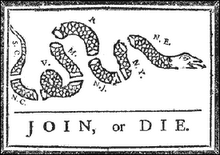
Markets have been largely looking past the increasingly ugly debt situation in Europe. Sovereign spreads continue to widen. Yesterday, Spain got a debt downgrade from Moody's.
Situation continues to feel like 2007 before the mortgage dominos starting falling...
position in TLT
Thursday, March 10, 2011

Tuesday, March 8, 2011
Dollar Days
"Fort Knox? Ha! It's for tourists."
--Simon Gruber (Die Hard: With a Vengeance)
Since markets began sniffing out QE2 last summer, the US dollar has been declining. The dollar index (USD) has lost about 20% of its value since last June.

The USD is now sitting on support marked by a gentle sloping multi-year uptrend. A bounce around these levels would not be surprising.
position in TLT
--Simon Gruber (Die Hard: With a Vengeance)
Since markets began sniffing out QE2 last summer, the US dollar has been declining. The dollar index (USD) has lost about 20% of its value since last June.

The USD is now sitting on support marked by a gentle sloping multi-year uptrend. A bounce around these levels would not be surprising.
position in TLT
Monday, March 7, 2011
Dandruff Problem
To the heart and mind, ignorance is kind
There's no comfort in the truth
Pain is all you'll find
--Wham
Am seeing more head-and-shoulders patterns (representative one below) than I've seen in a while.

When this pattern becomes apparent across many stocks/sectors, it's often a sign that the tape is changing its tone.
position in SPX
There's no comfort in the truth
Pain is all you'll find
--Wham
Am seeing more head-and-shoulders patterns (representative one below) than I've seen in a while.

When this pattern becomes apparent across many stocks/sectors, it's often a sign that the tape is changing its tone.
position in SPX
Sunday, March 6, 2011
Emotion in Motion
I would do anything
To hold onto you
Just about anything
Until you pull through
--Ric Ocasek
Since the earliest posts on this blog, we have been considering the trade off between freedom and safety, and why we have been ceding liberty for more dependence on govt for physical and social security.
Judge N speaks much more eloquently than I on the topic.
As he notes, government has now created dependency that it can no longer afford.
It is easy to be fearful of this situation. But fear is government's best friend.
To make it to the other side, we'll need to master our emotions.
To hold onto you
Just about anything
Until you pull through
--Ric Ocasek
Since the earliest posts on this blog, we have been considering the trade off between freedom and safety, and why we have been ceding liberty for more dependence on govt for physical and social security.
Judge N speaks much more eloquently than I on the topic.
As he notes, government has now created dependency that it can no longer afford.
It is easy to be fearful of this situation. But fear is government's best friend.
To make it to the other side, we'll need to master our emotions.
Saturday, March 5, 2011
Collective Bargaining and Government Power
So glad we've almost made it
So sad they had to fade it
Everybody wants to rule the world
--Tears for Fears
It has been argued that government power would increase if collective bargaining were not permitted among public sector workers. How valid is this claim?
Consider two scenarios. In the first one, collective bargaining is permitted. Government officials and public sector unions agree to a contract that pays each worker $100,000 annually in wages and benefits, guarantees annual wage increases over the life of the contract, and permits employess to retire at age 50 with full benefits.
In the second scenario, collective bargaining is not permitted. Absent public sector unions, government officials get tough and decrees that government workers will be paid $5,000 annually with no benefits.
Under which scenario does government accrue more power?
In the first scenario, the creation of well paying government jobs attracts workers who would otherwise be employed in the private sector. Government payrolls swell relative to the private sector. Productive capacity in the private sector decreases.
Moreover, negotiated work agreements put political favor for sale. Insidious relationships develop between politicians and public sector unions. Union workers, who are also voters, back candidates who support union objectives. SIG city.
To pay public sector workers, government must appropriate property from others. As payrolls grow, so do taxes. Freedom of some is compromised as government takes control of more property in order to pay public sector workers. If/when taxes become politically unpalatable, government borrows to cover the shortfall as public sector payrolls consume more resources. Debt grows, placing additional burden on private sector citizenry.
There can be no doubt that government power flourishes in the first scenario at the expense of individual freedom.
In the second scenario, low wages attract few people. Government payrolls shrink relative to the private sector. Productive capacity of the private sector grows.
Absent a rich stable of public sector workers, markets for political favor and the SIGs that thrive in them decline. Markets for political favor require government control of economic resources. If politicians were unable to take property from some and give it to others, then markets for political favor could not exist.
When public sector payrolls are low, government loses control of economic resources. Should government try to appropriate property from the citizenry, government lacks the strong armed workers vital to force compliance. Absent capacity for force, government power declines.
Removing collective bargaining from the public sector seems unlikely to increase government power. More likely, government power will be reduced.
So sad they had to fade it
Everybody wants to rule the world
--Tears for Fears
It has been argued that government power would increase if collective bargaining were not permitted among public sector workers. How valid is this claim?
Consider two scenarios. In the first one, collective bargaining is permitted. Government officials and public sector unions agree to a contract that pays each worker $100,000 annually in wages and benefits, guarantees annual wage increases over the life of the contract, and permits employess to retire at age 50 with full benefits.
In the second scenario, collective bargaining is not permitted. Absent public sector unions, government officials get tough and decrees that government workers will be paid $5,000 annually with no benefits.
Under which scenario does government accrue more power?
In the first scenario, the creation of well paying government jobs attracts workers who would otherwise be employed in the private sector. Government payrolls swell relative to the private sector. Productive capacity in the private sector decreases.
Moreover, negotiated work agreements put political favor for sale. Insidious relationships develop between politicians and public sector unions. Union workers, who are also voters, back candidates who support union objectives. SIG city.
To pay public sector workers, government must appropriate property from others. As payrolls grow, so do taxes. Freedom of some is compromised as government takes control of more property in order to pay public sector workers. If/when taxes become politically unpalatable, government borrows to cover the shortfall as public sector payrolls consume more resources. Debt grows, placing additional burden on private sector citizenry.
There can be no doubt that government power flourishes in the first scenario at the expense of individual freedom.
In the second scenario, low wages attract few people. Government payrolls shrink relative to the private sector. Productive capacity of the private sector grows.
Absent a rich stable of public sector workers, markets for political favor and the SIGs that thrive in them decline. Markets for political favor require government control of economic resources. If politicians were unable to take property from some and give it to others, then markets for political favor could not exist.
When public sector payrolls are low, government loses control of economic resources. Should government try to appropriate property from the citizenry, government lacks the strong armed workers vital to force compliance. Absent capacity for force, government power declines.
Removing collective bargaining from the public sector seems unlikely to increase government power. More likely, government power will be reduced.
Friday, March 4, 2011
Bargaining Rights
Those one track minds
They took you for a working boy
Kiss them goodbye, you shouldn't have to jump for joy
You shouldn't have to jump for joy
--Tears for Fears
In unhampered markets, potential buyers and sellers are free to bargain in any way they see fit. The negotiations are voluntary, however. No one is forced to bargain with anyone else. If both sides cannot come to terms, then no trade occurs.
In labor markets, a prospective seller of labor cannot be forced into working for someone else under terms that the individual worker does not agree with. This is slavery and a violation of one's natural right to his/her wherewithal to produce.
Workers are free to walk away from deals deemed undesirable.
Likewise, a prospective buyer of labor cannot be forced into employing workers under terms that the employer does not agree with. This is theft and a violation of one's natural rights to his/her property.
Employers are free to walk away from deals deemed undesirable.
Forcing workers or employers into unwanted contracts also violates one's freedom of association--in this context defined as the freedom to do business with whomever one wishes.
Under conditions of coercion, no valid contract exists.
They took you for a working boy
Kiss them goodbye, you shouldn't have to jump for joy
You shouldn't have to jump for joy
--Tears for Fears
In unhampered markets, potential buyers and sellers are free to bargain in any way they see fit. The negotiations are voluntary, however. No one is forced to bargain with anyone else. If both sides cannot come to terms, then no trade occurs.
In labor markets, a prospective seller of labor cannot be forced into working for someone else under terms that the individual worker does not agree with. This is slavery and a violation of one's natural right to his/her wherewithal to produce.
Workers are free to walk away from deals deemed undesirable.
Likewise, a prospective buyer of labor cannot be forced into employing workers under terms that the employer does not agree with. This is theft and a violation of one's natural rights to his/her property.
Employers are free to walk away from deals deemed undesirable.
Forcing workers or employers into unwanted contracts also violates one's freedom of association--in this context defined as the freedom to do business with whomever one wishes.
Under conditions of coercion, no valid contract exists.
Thursday, March 3, 2011
Current AA
In the paper today tales of war and waste
But you turn right over to the TV page
--Crowded House
After peeling off crude exposure yesterday, I wound up adding some back today, along with significantly adding to my preciothus metal exposure. Am always reluctant to add after big price increases, but my sense is there's a decent chance of a step higher in commodities here.
Current asset allocation (liquid financial asset basis) is as follows:
cash 62%
fixed income 15%
commodities 10%
short equity 9%
stocks 4%
positions in GLD, SLV, DBO
But you turn right over to the TV page
--Crowded House
After peeling off crude exposure yesterday, I wound up adding some back today, along with significantly adding to my preciothus metal exposure. Am always reluctant to add after big price increases, but my sense is there's a decent chance of a step higher in commodities here.
Current asset allocation (liquid financial asset basis) is as follows:
cash 62%
fixed income 15%
commodities 10%
short equity 9%
stocks 4%
positions in GLD, SLV, DBO
Wednesday, March 2, 2011
Bargain Basement
I'd gladly lose me to find you
I'd gladly give up all I got
To catch you, I'm gonna run and never stop
--The Who
The 'collective bargaining' controversy continues to be framed incorrectly. The popular lens views the issue as whether public sector workers have the right to negotiate in groups.
This view misses the real issue, which is whether government has standing to negotiate the type of contracts of interest to workers here (i.e., long term wage agreements, closed shop job protection, lucrative pension/benefits).
To the extent that governments have overstepped their Constitutional bounds to engage in activities such as education, then the answer is obviously 'no'--govt has no standing to negotiate w/ workers because those workers should not be on the payroll to begin with. The labor negotations should be taking place in the private sector.
In private industry, profit motive and risk of property loss govern negotiations with management and labor. Rich concessions to labor by management divert property (up to and including control of the enterprise) away from the owners.
This process, grounded in property rights, restrains overconsumption of scarce economic resources.
Negotiations in the public sector face no such restraints. Workers can vote in bureaucrats motivated to kick back rich labor deals in reward for their vote. This is corruption at it worst. Political favor for hire. SIG city.
In the private sector, the principals (business owners) who do not like how their agents (managers of the business) negotiate with labor can walk away--by selling their ownership stake. In the public sector, the principals (tax paying citizens) cannot sell their stake. They are forced to go along by the terms of the deal.
In the short run, this situation allows certain special interest groups (public sector workers and complicit bureaucrats) benefit at the expense of others. In the long run, general standard of living falls as scarce economic resources are diverted from more productive endeavors.
One way both situations are similar is that, given enough time, economic failure kills labor contracts in both private and public sector contexts. Like businesses, governments can default. Default renders public sector contracts void.
And the richer the public sector worker worker labor deals, the quicker that government careens toward default.
I'd gladly give up all I got
To catch you, I'm gonna run and never stop
--The Who
The 'collective bargaining' controversy continues to be framed incorrectly. The popular lens views the issue as whether public sector workers have the right to negotiate in groups.
This view misses the real issue, which is whether government has standing to negotiate the type of contracts of interest to workers here (i.e., long term wage agreements, closed shop job protection, lucrative pension/benefits).
To the extent that governments have overstepped their Constitutional bounds to engage in activities such as education, then the answer is obviously 'no'--govt has no standing to negotiate w/ workers because those workers should not be on the payroll to begin with. The labor negotations should be taking place in the private sector.
In private industry, profit motive and risk of property loss govern negotiations with management and labor. Rich concessions to labor by management divert property (up to and including control of the enterprise) away from the owners.
This process, grounded in property rights, restrains overconsumption of scarce economic resources.
Negotiations in the public sector face no such restraints. Workers can vote in bureaucrats motivated to kick back rich labor deals in reward for their vote. This is corruption at it worst. Political favor for hire. SIG city.
In the private sector, the principals (business owners) who do not like how their agents (managers of the business) negotiate with labor can walk away--by selling their ownership stake. In the public sector, the principals (tax paying citizens) cannot sell their stake. They are forced to go along by the terms of the deal.
In the short run, this situation allows certain special interest groups (public sector workers and complicit bureaucrats) benefit at the expense of others. In the long run, general standard of living falls as scarce economic resources are diverted from more productive endeavors.
One way both situations are similar is that, given enough time, economic failure kills labor contracts in both private and public sector contexts. Like businesses, governments can default. Default renders public sector contracts void.
And the richer the public sector worker worker labor deals, the quicker that government careens toward default.
Crude Attitude
Out where the river broke
The bloodwood and the desert oak
Holden wrecks and boiling diesels
Steam in forty five degrees
--Midnight Oil
Sold a decent chunk of crude exposure into this morning's spike higher.

Could oil still move higher from here? If unrest continues to heat up in the Middle East, the answer is most definitely yes.
If so, I have some 'secondary' exposure in the form of DBE and RJI that I plan to hold w/ a longer horizon.
Meanwhile, seemed prudent to take some gains after a gappy 10% move in crude.
position in DBE, RJI
The bloodwood and the desert oak
Holden wrecks and boiling diesels
Steam in forty five degrees
--Midnight Oil
Sold a decent chunk of crude exposure into this morning's spike higher.

Could oil still move higher from here? If unrest continues to heat up in the Middle East, the answer is most definitely yes.
If so, I have some 'secondary' exposure in the form of DBE and RJI that I plan to hold w/ a longer horizon.
Meanwhile, seemed prudent to take some gains after a gappy 10% move in crude.
position in DBE, RJI
Tuesday, March 1, 2011
Shut Down Showdown
"Shut it down. Shut it down now."
--Telco operator (Die Hard)
NPR show discussing the prospects of government shut down if no budget bill is soon passed. While shows like this bring discussants with various viewpoints together, these viewpoints are widely understood. And views by themselves do little to get us toward the truth.
The issue here is government spending--spending which is now growing exponentially. The spending problem is bipartisan in nature, although the Obama administration has taken this behavior and associated deficits to unprecedented and nearly mindblowing levels. For example, outlays (see Table 1.1. here) in 2010 were $3.5 trillion (16% higher than Bush's already monstrous spending in 2008), reflecting a deficit of $1.3 trillion (which makes Bush's $459 billion deficit, which was a record at the time, look almost tiny in comparison).
The magnitude of these numbers and the general trend clearly suggest out-of-control behavior--behavior that has perhaps become addictive in nature.
We can propose this because, by and large, government remains in denial about the problem.
A couple weeks back, the president proposed a budget intended to increase govt spending in 2011. House Republicans nearly matched that ineptitude, countering with a proposal to cut govt spending by a 'whopping' $60 billion (do the math: what is $60 billion on 2010 spending of $3.5 trillion?).
Almost as laughable are people who laud that GOP proposal as too drastic...
Make no mistake, unless we take action to reverse course in a hurry, the spectre of a 'government shutdown' will be low on our list of worries.
Economic forces will see to it.
--Telco operator (Die Hard)
NPR show discussing the prospects of government shut down if no budget bill is soon passed. While shows like this bring discussants with various viewpoints together, these viewpoints are widely understood. And views by themselves do little to get us toward the truth.
The issue here is government spending--spending which is now growing exponentially. The spending problem is bipartisan in nature, although the Obama administration has taken this behavior and associated deficits to unprecedented and nearly mindblowing levels. For example, outlays (see Table 1.1. here) in 2010 were $3.5 trillion (16% higher than Bush's already monstrous spending in 2008), reflecting a deficit of $1.3 trillion (which makes Bush's $459 billion deficit, which was a record at the time, look almost tiny in comparison).
The magnitude of these numbers and the general trend clearly suggest out-of-control behavior--behavior that has perhaps become addictive in nature.
We can propose this because, by and large, government remains in denial about the problem.
A couple weeks back, the president proposed a budget intended to increase govt spending in 2011. House Republicans nearly matched that ineptitude, countering with a proposal to cut govt spending by a 'whopping' $60 billion (do the math: what is $60 billion on 2010 spending of $3.5 trillion?).
Almost as laughable are people who laud that GOP proposal as too drastic...
Make no mistake, unless we take action to reverse course in a hurry, the spectre of a 'government shutdown' will be low on our list of worries.
Economic forces will see to it.
Subscribe to:
Posts (Atom)
![[Most Recent Quotes from www.kitco.com]](http://www.kitconet.com/charts/metals/gold/t24_au_en_usoz_2.gif)