Into the blue again, after the money's gone
Once in a lifetime, water flowing underground
--Talking Heads
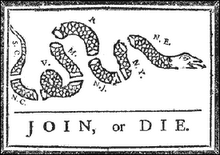
Kyle Bass thinks that the EU is engaged in a game of chicken with Greece right now. Greece is broke and running deficits, and they are certain to default. A nice point here that countries that commit more to bailout facilities jeopardize their own sovereign debt ratings, since they are now on the hook for more liabilities.
Bass concludes that the math simply doesn't work. Even Germany is a debtor nation. No matter how one looks at the magical faclities being erected to contain/bailout EU members, the bottom line is the 'solution' being offered is adding more debt to a sovereign debt problem. More leverage.
KB suspects that many people have yet to think the circular nature of this plan thru.
I think he's right. Right now, markets seem relieved that 'something' is being done. Once the euphoria lifts, however, they will likely see the same old problem staring at them.
What solves a debt crisis? Paying the debt down or restructuring (a.k.a. default). Either way, standard of living will go down.
What brings this 'solution' about faster? Germany decides not to participate. Bass thinks this to be likely, based on his firm's analysis, which includes on-the-ground polling of influential Germans.
no positions
Friday, October 7, 2011

Thursday, October 6, 2011
The Swedish Illusion
"Do you hear that Mr Anderson? That is the sound of inevitability."
--Agent Smith (The Matrix)
During a class discussion yesterday, a student noted that she worked for a Swedish company, and that her visits to Sweden suggest to her that a high tax, redistribution of wealth model is effective. Everything is clean, she said, and healthcare is 'covered.' It works, she concluded.
It is tempting to draw such conclusions from anecdotal observations, but the picture is rarely that simple. A bigger picture assessment is necessary.
With a land mass about the size of California, Sweden's GDP officially clocks in at about $450 billion, which ranks it 22nd in the world. The eye popping stat right out of the gate is that the country's population is 9.2 million--just a bit larger than NYC. This puts nominal GDP/capita at $50,000 (estimates of real per capita income range from $30-35K). This suggests one of three things: a super productive people, econometric book cooking (e.g., GDP much lower than reported), or some 'special situations.'
Superproductive seems unlikely, as Swedes characteristically work fewer hrs than workers elsewhere. And issues w/ govt sponsored metrics are always an issue...
Let's look at some of the special situations. Non participants in the World Wars, historically high saving rates, and rich natural resource base that has has led to strong exports during the commodity price boom (exports account for more than 1/3 of total output). Wisely, Sweden did not drink the EU kool-aid, thus it maintains sovereign control of fiscal and monetary policy--certainly a comparative advantage over its neighbors drowning in Continental collectivism.
One hundred yrs ago Sweden was home to a near textbook free market structure. Over the last 50-70 yrs, however, the economic structure tilted toward the socialist end of the spectrum. The original socialist model collapsed in the wake of a banking crisis in the early 1990s. Since then, structural reforms such as privatizing former state owned companies and reducing government regulation has made the private sector more vibrant.
However, a large public component remains. Tax rates are high across the board, and total tax intake amounts to over 50% of GDP. Parenthetically, it is difficult to grasp how Heritage can assign Sweden a property rights rating of 90 when over half of all measured output is appropriated by the government. This large redistribution of wealth has resulted in a burgeoning welfare system that, while reformed somewhat since the early 1990s meltdown, remains central to the economic structure. Healthcare (10% of GDP), retirement, unemployment, large public sector workforce (1/3 of total), strong union/rigid workrules (80% of workforce unionized), et al.
One would 'think' this setup disastrous. Thus far, however, it has been workable--and perhaps offers the illusion of socialist utopia. Many on the Left indeed hold up Sweden as the benchmark for planning.
There are various plausible explanations as to why this model has yet to cave in. First off, this socialist system DID come apart in the early 1990s, and arguably it has been structural reform toward the free market end of the spectrum that has driven real productivity gains-essentially offsetting the drag of the welfare system. It also seems likely that real living standards are lower than the large per capita income would suggest. Data suggest that Swedes save about 10% of income. If that's true, then that means citizens have only about 40% of their income for private consumption (the other 60% is taxes and savings). 40% of 35,000 is about $14,000 in personal income available for consumption purposes. Pretty spartan, it seems to me.
As in all socialist systems, the marquee labels such as universal healthcare ignore the problems under the hood. There are few things easier to forecast that the outcomes of government sponsored healthcare for all. Costs go up from the bureaucracy and lack of competition. If government puts a lid on how much providers get reimbursed, then there will be shortages as supply leaves the system. Talent looks elsewhere. Quality goes down. Rationing (famously labelled 'deathpanels' during the domestic healthcare debate) is inevitable.
I did not do too much digging, but accounts of Swedish health care system dysfunctionality are certainly available to inquiring minds (ex here).
From where I sit, Sweden's mixed economy model is no triumph of central planning. Instead, a historic free market basis, less war-related loss, and recent market-oriented reforms are offsetting the dead weight of the social welfare system. If more market-oriented reforms are implemented, then Sweden may continue to prosper.
My sense is that things are likely to head in the other direction, however. The public sector becomes a black hole, draining productive resources from the economy. Savings rates fall and government will either borrow more (national debt right now is a relatively small 40% of GDP) or the Riksbank will print Krona to try to cover the standard of living shortfall. Chaos, just as we are observing elsewhere.
Currently, however, Sweden's special situations appear to have slowed its trip down the Road to Serfdom.
Expect the pace to quicken...
--Agent Smith (The Matrix)
During a class discussion yesterday, a student noted that she worked for a Swedish company, and that her visits to Sweden suggest to her that a high tax, redistribution of wealth model is effective. Everything is clean, she said, and healthcare is 'covered.' It works, she concluded.
It is tempting to draw such conclusions from anecdotal observations, but the picture is rarely that simple. A bigger picture assessment is necessary.
With a land mass about the size of California, Sweden's GDP officially clocks in at about $450 billion, which ranks it 22nd in the world. The eye popping stat right out of the gate is that the country's population is 9.2 million--just a bit larger than NYC. This puts nominal GDP/capita at $50,000 (estimates of real per capita income range from $30-35K). This suggests one of three things: a super productive people, econometric book cooking (e.g., GDP much lower than reported), or some 'special situations.'
Superproductive seems unlikely, as Swedes characteristically work fewer hrs than workers elsewhere. And issues w/ govt sponsored metrics are always an issue...
Let's look at some of the special situations. Non participants in the World Wars, historically high saving rates, and rich natural resource base that has has led to strong exports during the commodity price boom (exports account for more than 1/3 of total output). Wisely, Sweden did not drink the EU kool-aid, thus it maintains sovereign control of fiscal and monetary policy--certainly a comparative advantage over its neighbors drowning in Continental collectivism.
One hundred yrs ago Sweden was home to a near textbook free market structure. Over the last 50-70 yrs, however, the economic structure tilted toward the socialist end of the spectrum. The original socialist model collapsed in the wake of a banking crisis in the early 1990s. Since then, structural reforms such as privatizing former state owned companies and reducing government regulation has made the private sector more vibrant.
However, a large public component remains. Tax rates are high across the board, and total tax intake amounts to over 50% of GDP. Parenthetically, it is difficult to grasp how Heritage can assign Sweden a property rights rating of 90 when over half of all measured output is appropriated by the government. This large redistribution of wealth has resulted in a burgeoning welfare system that, while reformed somewhat since the early 1990s meltdown, remains central to the economic structure. Healthcare (10% of GDP), retirement, unemployment, large public sector workforce (1/3 of total), strong union/rigid workrules (80% of workforce unionized), et al.
One would 'think' this setup disastrous. Thus far, however, it has been workable--and perhaps offers the illusion of socialist utopia. Many on the Left indeed hold up Sweden as the benchmark for planning.
There are various plausible explanations as to why this model has yet to cave in. First off, this socialist system DID come apart in the early 1990s, and arguably it has been structural reform toward the free market end of the spectrum that has driven real productivity gains-essentially offsetting the drag of the welfare system. It also seems likely that real living standards are lower than the large per capita income would suggest. Data suggest that Swedes save about 10% of income. If that's true, then that means citizens have only about 40% of their income for private consumption (the other 60% is taxes and savings). 40% of 35,000 is about $14,000 in personal income available for consumption purposes. Pretty spartan, it seems to me.
As in all socialist systems, the marquee labels such as universal healthcare ignore the problems under the hood. There are few things easier to forecast that the outcomes of government sponsored healthcare for all. Costs go up from the bureaucracy and lack of competition. If government puts a lid on how much providers get reimbursed, then there will be shortages as supply leaves the system. Talent looks elsewhere. Quality goes down. Rationing (famously labelled 'deathpanels' during the domestic healthcare debate) is inevitable.
I did not do too much digging, but accounts of Swedish health care system dysfunctionality are certainly available to inquiring minds (ex here).
From where I sit, Sweden's mixed economy model is no triumph of central planning. Instead, a historic free market basis, less war-related loss, and recent market-oriented reforms are offsetting the dead weight of the social welfare system. If more market-oriented reforms are implemented, then Sweden may continue to prosper.
My sense is that things are likely to head in the other direction, however. The public sector becomes a black hole, draining productive resources from the economy. Savings rates fall and government will either borrow more (national debt right now is a relatively small 40% of GDP) or the Riksbank will print Krona to try to cover the standard of living shortfall. Chaos, just as we are observing elsewhere.
Currently, however, Sweden's special situations appear to have slowed its trip down the Road to Serfdom.
Expect the pace to quicken...
Tuesday, October 4, 2011
Hard Cross
Every day I walk in shadows
I know not what it is
I'm heading for
--Tarney Spencer Band
Markets continued to sink on the opening bell this am. An hour or two into the day, I felt a tinge of remorse after unloading my short position yesterday.
Weakness continued until late in the day, when chatter surfaced that the European officials were creating a 'bad bank' entity to dump troubled securities tied to the sovereign debt crisis in the EU. In the final 45 minutes of the trading day, markets went from being down 1.5% to being up 2%. The SPX recaptured the 1120 level and had nearly a 50 handle intra day range.
Naturally, any remorse still pulsing thru my veins suddenly vanished.

Coupled with reclaiming previous support, the long tail pattern on the charts suggests a 'flush' and perhaps a near term low. Add to that my growing sense that sentiment was getting pretty ugly (e.g., I got a call last night from a distraught friend who was down big and wanted to sell all of his stocks), and perhaps we have the makings of a durable rally.
I do know that I'm in no hurry to re-engage on the short side right now. Would rather sit back and observe for a bit.
Did nibble on some DBC this am as commodities have been getting hammered and many are sitting on technincal support.
position in DBC
I know not what it is
I'm heading for
--Tarney Spencer Band
Markets continued to sink on the opening bell this am. An hour or two into the day, I felt a tinge of remorse after unloading my short position yesterday.
Weakness continued until late in the day, when chatter surfaced that the European officials were creating a 'bad bank' entity to dump troubled securities tied to the sovereign debt crisis in the EU. In the final 45 minutes of the trading day, markets went from being down 1.5% to being up 2%. The SPX recaptured the 1120 level and had nearly a 50 handle intra day range.
Naturally, any remorse still pulsing thru my veins suddenly vanished.

Coupled with reclaiming previous support, the long tail pattern on the charts suggests a 'flush' and perhaps a near term low. Add to that my growing sense that sentiment was getting pretty ugly (e.g., I got a call last night from a distraught friend who was down big and wanted to sell all of his stocks), and perhaps we have the makings of a durable rally.
I do know that I'm in no hurry to re-engage on the short side right now. Would rather sit back and observe for a bit.
Did nibble on some DBC this am as commodities have been getting hammered and many are sitting on technincal support.
position in DBC
The Luddite Fallacy
Standing in line marking time
Waiting for the welfare dime
'Cause they can't buy a job
--Bruce Hornsby & the Range
This post is meant to collect a few notes ahead of a forum that we will hold in class tomorrow. The forum topic is whether technological improvments that improve productivity (e.g., automation) create permanently high levels of unemployment.
This issue is typically referred to as 'technological unemployment.' It is also known as the 'Luddite Fallacy' after a group of English textile workers who revolted against the implementation of sewing machines in the 1800s.
Mises (2008, Ch 7, p 136-137). High levels of unemployment can only persist when all material factors of production are fully utilized such that there is no opportunity to employ people who are ready to work. In such a world labor would be abundant. If the world was socialist, additional people would mean additional mouths to feed. If the world was capitalist, then wages paid would not be enough to prevent starvation.
But that world is not the present one. Labor is more scarce than other factors of production. There are material factors of production that remain unused because the labor required to work on them is employed in satisfying more urgent needs. There is no abundance of manpower; there is a shortage.
The substitution of equipment and other more efficient methods of production does not render labor more abundant, provided that there are still other material factors of production whose utilization can increase human well being. Enhanced productivity thru use of better technology increases output, thereby reducing want. This does not bring about 'technological unemployment.'
Mises (2008, Ch 30, p. 768-769). The confusion starts with the misinterpretation of the statement that machinery is 'substituted' for labor. What happens is that labor is rendered more efficient by the aid of machinery. The same input of labor leads to greater quantity or better quality of output. The employment of machinery itself does not directly reduce the number of people employed in the production of the article concerned...The technological improvement in the production of A makes it possible to realize certain projects which could not be executed before because the workers required were employed for the production of A for which consumers' demand was more urgent. The reduction of the number of workers in the A industry is caused by the increased demand of these other branches to which the opportunity to expand is offered...
Tools and machinery are primarily not labor saving devices, but means to increase output per unit of input. They appear as labor saving devices if looked upon exclusively from the point of view of the individual branch of business concerned. Seen from the point of view of the consumers and the whole of society, they appear as instruments that raise productivity of human effort. They increase supply and make it possible to consume more material goods and to enjoy more leisure. Which goods will be consumed in greater quantity and to what extent people will prefer to enjoy more leisure depends on people's value judgments.
Hazlitt (1946, Ch 7 The Curse of Machinery). This is perhaps the best treatment of the subject in everday language. He brings up the Technocrats, those people who during the 1930s got loud with the technological unemployment message. He notes that every individual as well as every employer is trying to save his own labor, to economize the means required to achieve the ends. The thought process of the Technocrats implies that this is wrong. That we would be better off if freight were carried on people's backs rather than by truck or rail.
Hazlitt observes that in many if not most cases, efficiencies gained thru the use of machinery happen over the long run since it may take many years for machines to 'pay for themselves.' If/when this occurs, the capitalist now has more profit, and labor may have suffered a loss. But it is out of these excess profits that social gains must come. These profits must be used to either 1) expand operations, 2) invest the capital in some other manner, 3) consumer more. Whichever the approach, employment will increase.
In competitive markets, efficiencies realized by one operator will prompt others to imitate. Thereby the gains discussed above are multiplied by competitive forces. Profits will begin to drop and in highly competitive markets, there may be little or no profit at all. The efficiencies in such a case are passed onto consumers in the form of lower prices. This increases the purchasing power of buyers and drives either more consumption or more saving which, once again, increases employment.
Hazlitt astutely observes that where full employment already exists, the result of increased productivity is more voluntary unemployment, because people can work less time and still satisfy their wants.
What machines do is increase production and increase standard of living. They do it by making goods cheaper for consumers and by increasing the real wages of workers (higher salary and/or increased purchasing power).
The focus of media and other intellectual groups is often on the immediate effects on certain groups. Keep your eye on Joe Smith, who just got thrown out of a job. What these observers often fail to do is to also keep an eye on Tom Jones, who just got a job making productive machines, or Sue Brown, who just got a job operating one, or Sarah Miller, who can now buy a coat for half the previous cost.
The problem for Tom Jones arises if he is too rigid to adapt to what is needed in the Market for Talent. In free markets, the process of creative destruction is likely to render skill sets obsolete, meaning that workers need to have the flexibility to re-invent themselves.
Therein lies the heart of the problem that makes the headlines.
References
Hazlitt, H. 1946 then 1979. Economics in one lesson. New York: Three Rivers Press.
Mises, L. 1949 then 2008. Human action. Auburn, AL: Ludwig von Mises Institute.
Waiting for the welfare dime
'Cause they can't buy a job
--Bruce Hornsby & the Range
This post is meant to collect a few notes ahead of a forum that we will hold in class tomorrow. The forum topic is whether technological improvments that improve productivity (e.g., automation) create permanently high levels of unemployment.
This issue is typically referred to as 'technological unemployment.' It is also known as the 'Luddite Fallacy' after a group of English textile workers who revolted against the implementation of sewing machines in the 1800s.
Mises (2008, Ch 7, p 136-137). High levels of unemployment can only persist when all material factors of production are fully utilized such that there is no opportunity to employ people who are ready to work. In such a world labor would be abundant. If the world was socialist, additional people would mean additional mouths to feed. If the world was capitalist, then wages paid would not be enough to prevent starvation.
But that world is not the present one. Labor is more scarce than other factors of production. There are material factors of production that remain unused because the labor required to work on them is employed in satisfying more urgent needs. There is no abundance of manpower; there is a shortage.
The substitution of equipment and other more efficient methods of production does not render labor more abundant, provided that there are still other material factors of production whose utilization can increase human well being. Enhanced productivity thru use of better technology increases output, thereby reducing want. This does not bring about 'technological unemployment.'
Mises (2008, Ch 30, p. 768-769). The confusion starts with the misinterpretation of the statement that machinery is 'substituted' for labor. What happens is that labor is rendered more efficient by the aid of machinery. The same input of labor leads to greater quantity or better quality of output. The employment of machinery itself does not directly reduce the number of people employed in the production of the article concerned...The technological improvement in the production of A makes it possible to realize certain projects which could not be executed before because the workers required were employed for the production of A for which consumers' demand was more urgent. The reduction of the number of workers in the A industry is caused by the increased demand of these other branches to which the opportunity to expand is offered...
Tools and machinery are primarily not labor saving devices, but means to increase output per unit of input. They appear as labor saving devices if looked upon exclusively from the point of view of the individual branch of business concerned. Seen from the point of view of the consumers and the whole of society, they appear as instruments that raise productivity of human effort. They increase supply and make it possible to consume more material goods and to enjoy more leisure. Which goods will be consumed in greater quantity and to what extent people will prefer to enjoy more leisure depends on people's value judgments.
Hazlitt (1946, Ch 7 The Curse of Machinery). This is perhaps the best treatment of the subject in everday language. He brings up the Technocrats, those people who during the 1930s got loud with the technological unemployment message. He notes that every individual as well as every employer is trying to save his own labor, to economize the means required to achieve the ends. The thought process of the Technocrats implies that this is wrong. That we would be better off if freight were carried on people's backs rather than by truck or rail.
Hazlitt observes that in many if not most cases, efficiencies gained thru the use of machinery happen over the long run since it may take many years for machines to 'pay for themselves.' If/when this occurs, the capitalist now has more profit, and labor may have suffered a loss. But it is out of these excess profits that social gains must come. These profits must be used to either 1) expand operations, 2) invest the capital in some other manner, 3) consumer more. Whichever the approach, employment will increase.
In competitive markets, efficiencies realized by one operator will prompt others to imitate. Thereby the gains discussed above are multiplied by competitive forces. Profits will begin to drop and in highly competitive markets, there may be little or no profit at all. The efficiencies in such a case are passed onto consumers in the form of lower prices. This increases the purchasing power of buyers and drives either more consumption or more saving which, once again, increases employment.
Hazlitt astutely observes that where full employment already exists, the result of increased productivity is more voluntary unemployment, because people can work less time and still satisfy their wants.
What machines do is increase production and increase standard of living. They do it by making goods cheaper for consumers and by increasing the real wages of workers (higher salary and/or increased purchasing power).
The focus of media and other intellectual groups is often on the immediate effects on certain groups. Keep your eye on Joe Smith, who just got thrown out of a job. What these observers often fail to do is to also keep an eye on Tom Jones, who just got a job making productive machines, or Sue Brown, who just got a job operating one, or Sarah Miller, who can now buy a coat for half the previous cost.
The problem for Tom Jones arises if he is too rigid to adapt to what is needed in the Market for Talent. In free markets, the process of creative destruction is likely to render skill sets obsolete, meaning that workers need to have the flexibility to re-invent themselves.
Therein lies the heart of the problem that makes the headlines.
References
Hazlitt, H. 1946 then 1979. Economics in one lesson. New York: Three Rivers Press.
Mises, L. 1949 then 2008. Human action. Auburn, AL: Ludwig von Mises Institute.
Modern Day Star Chamber
"These people can make us disappear."
--Nina Chance (Murder at 1600)
Last Friday, Anwar al-Awlaki and three other people suspected of engaging in terrorist-like activities were killed by a missile fired from a US Predator drone in northern Yemen. This was a sanctioned assassination, as al-Awlaki had been on the 'targeted killing list' maintained by the US government.
Uniquely, al-Awlaki was a US citizen. What this means is that the federal government executed a US citizen without due process, a right that is guaranteed by the Fifth Amendment.
The Fifth Amendment was written to ensure that people would be treated fairly by the government, even those people whom the government or the public might dislike.
The Judge observes that this is the first time in recorded history since the Civil War under Lincoln that the president has used the military to kill a US citizen without due process.
Simply put, the Obama administration decided to take this person out. Once again, this administration has placed itself above the law.
Who will this president target for killing next?
--Nina Chance (Murder at 1600)
Last Friday, Anwar al-Awlaki and three other people suspected of engaging in terrorist-like activities were killed by a missile fired from a US Predator drone in northern Yemen. This was a sanctioned assassination, as al-Awlaki had been on the 'targeted killing list' maintained by the US government.
Uniquely, al-Awlaki was a US citizen. What this means is that the federal government executed a US citizen without due process, a right that is guaranteed by the Fifth Amendment.
The Fifth Amendment was written to ensure that people would be treated fairly by the government, even those people whom the government or the public might dislike.
The Judge observes that this is the first time in recorded history since the Civil War under Lincoln that the president has used the military to kill a US citizen without due process.
Simply put, the Obama administration decided to take this person out. Once again, this administration has placed itself above the law.
Who will this president target for killing next?
Monday, October 3, 2011
Hedge Off
Should I stay or should I go now?
If I go there will be trouble
If I stay it will be double
--The Clash
The battleground support level that was SPX 1120 finally gave way today in a significant way, with the index spilling lower to about 1100 by day's end. Technically, the 1025-1050 provides the next substantial layer of support.

I unwound my short position into this move. Covered about half into the initial break into the 1115 area and the remainder into the thrust toward 1100.
Why cover it all here? First, for me shortin's hard mon, even when I'm using it as a hedge. Was starting to worry over the position a bit too much and, after this thrust lower, felt prudent to take the position off and look at the situation with fresh eyes tomorrow.
Moreover, some measures of sentiment point toward extreme near term bearishness. It would not take much news to ignite a pretty strong short covering rally.
Should stock melt lower from here, I'll be looking to put on some long side risk for a trade. Should we rally, I'll likely look to re-engage the short side to some degree.
With my hedge off, I'm currently at ~15% risky assets (CSCO, scattered commodities) with the remainder in cash. Yes, I feel a bit 'naked.' But something tells me that this feeling won't last long.
position in CSCO, GLD, SLV, RJA
If I go there will be trouble
If I stay it will be double
--The Clash
The battleground support level that was SPX 1120 finally gave way today in a significant way, with the index spilling lower to about 1100 by day's end. Technically, the 1025-1050 provides the next substantial layer of support.

I unwound my short position into this move. Covered about half into the initial break into the 1115 area and the remainder into the thrust toward 1100.
Why cover it all here? First, for me shortin's hard mon, even when I'm using it as a hedge. Was starting to worry over the position a bit too much and, after this thrust lower, felt prudent to take the position off and look at the situation with fresh eyes tomorrow.
Moreover, some measures of sentiment point toward extreme near term bearishness. It would not take much news to ignite a pretty strong short covering rally.
Should stock melt lower from here, I'll be looking to put on some long side risk for a trade. Should we rally, I'll likely look to re-engage the short side to some degree.
With my hedge off, I'm currently at ~15% risky assets (CSCO, scattered commodities) with the remainder in cash. Yes, I feel a bit 'naked.' But something tells me that this feeling won't last long.
position in CSCO, GLD, SLV, RJA
L-E-V-E-R-A-G-E
"The mother of all evils is speculation--leveraged debt."
Gordon Gekko (Wall Street 2: Money Never Sleeps)
Few cookies are sharper than John Hussman. The UMich PhD offers some great macro insight as well as one of the best frameworks for aggregate equity valuation that I've encountered. His weekly commentary is on my Must Read list.
However, some of his remarks/ideas in the policy arena leave me cold. For example, this week he reiterates a thought that he's discussed in the past related to troubled banks and their restructuring. He proposes that the liabilities of institutions facing insolvency should be divided into two buckets. One bucket would contain investor liabilities and one would contain depositor liabilities.
Dr J proposes that, when a bank faces insolvency, then what the bank owes to investors should head toward zero. So far, so good, as that is how capitalism is supposed to work. Investors must balance potential for gains (reward) against potential for loss (risk). Bad decisions means risk gets realized.
Of course, this is not how the system has worked over the past 2-3 yrs. Rather than going bust, investors have been bailed out under the auspices of 'too big to fail'.
However, Dr J proposes that the other bucket, the one full of depositor liabilities, goes into government receivership, and sold to new ownership, thereby 'protecting' the assets of depositors from the meltdown of deleveraging. John argues that this is necessary to protect the 'system' from meltdown. Depositors, he argues, should not have to think twice about where they deposit their funds, and they would be spared a "huge 'information problem'" that require consumers to have all the facts to avoid making bad depositing decisions.
But this is the same too-big-to-fail argument that the corporatists make. Dr J is merely couching it in a more populist slant.
Capitalism only works when buyers vet their purchasing decisions in their own best interests. This can only occur in financial services purchasing decisions if depositors face risk. Otherwise, we face a moral hazard problem as consumers turn off their brains and uncaringly place funds with inefficient operators. Depositors do this already because because they figure that the FDIC has their back in case of probs.
Moreover, Dr J fails to acknowledge that, like bondholders, depositors are creditors. Why should someone placing funds in a bank on deposit be treated differently than someone placing funds in the bonds that a bank sells?
John actually spells out the fundamental problem in the second paragraph of his 'Failure and Restructuring' section:
"The problem for banks, of course, is that they are leveraged, so even a drop of a few percent in their assets wipes out much of their own capital and threatens to make them insolvent." [emphasis mine]
Exactomundo. Leverage is the central problem. As long as the system maintains its current degree of leverage, then instability and crashes are the order of the day. Market forces want to delever this system. All interventionary actions, including Dr J's proposals, serve to keep leverage in the system artifically high.
The only way this occurs is to get government out of the way and let the 'equilibrium' that John waxes so poetically about actually come into being.
position in SPX
Gordon Gekko (Wall Street 2: Money Never Sleeps)
Few cookies are sharper than John Hussman. The UMich PhD offers some great macro insight as well as one of the best frameworks for aggregate equity valuation that I've encountered. His weekly commentary is on my Must Read list.
However, some of his remarks/ideas in the policy arena leave me cold. For example, this week he reiterates a thought that he's discussed in the past related to troubled banks and their restructuring. He proposes that the liabilities of institutions facing insolvency should be divided into two buckets. One bucket would contain investor liabilities and one would contain depositor liabilities.
Dr J proposes that, when a bank faces insolvency, then what the bank owes to investors should head toward zero. So far, so good, as that is how capitalism is supposed to work. Investors must balance potential for gains (reward) against potential for loss (risk). Bad decisions means risk gets realized.
Of course, this is not how the system has worked over the past 2-3 yrs. Rather than going bust, investors have been bailed out under the auspices of 'too big to fail'.
However, Dr J proposes that the other bucket, the one full of depositor liabilities, goes into government receivership, and sold to new ownership, thereby 'protecting' the assets of depositors from the meltdown of deleveraging. John argues that this is necessary to protect the 'system' from meltdown. Depositors, he argues, should not have to think twice about where they deposit their funds, and they would be spared a "huge 'information problem'" that require consumers to have all the facts to avoid making bad depositing decisions.
But this is the same too-big-to-fail argument that the corporatists make. Dr J is merely couching it in a more populist slant.
Capitalism only works when buyers vet their purchasing decisions in their own best interests. This can only occur in financial services purchasing decisions if depositors face risk. Otherwise, we face a moral hazard problem as consumers turn off their brains and uncaringly place funds with inefficient operators. Depositors do this already because because they figure that the FDIC has their back in case of probs.
Moreover, Dr J fails to acknowledge that, like bondholders, depositors are creditors. Why should someone placing funds in a bank on deposit be treated differently than someone placing funds in the bonds that a bank sells?
John actually spells out the fundamental problem in the second paragraph of his 'Failure and Restructuring' section:
"The problem for banks, of course, is that they are leveraged, so even a drop of a few percent in their assets wipes out much of their own capital and threatens to make them insolvent." [emphasis mine]
Exactomundo. Leverage is the central problem. As long as the system maintains its current degree of leverage, then instability and crashes are the order of the day. Market forces want to delever this system. All interventionary actions, including Dr J's proposals, serve to keep leverage in the system artifically high.
The only way this occurs is to get government out of the way and let the 'equilibrium' that John waxes so poetically about actually come into being.
position in SPX
Recession Transgression
"Circular error probability zero. Impact with high order detonation. Have a nice day."
--Clark (Clear and Present Danger)
Of all the recession forecasting entities out there, the Economic Cycle Research Institute (ECRI) has the best track record by far. Not only that, but ECRI recession calls tend to lead mainstream calls by months.
Last week ECRI told its clients that, based on current levels and trends of its proprietary Weekly Leading Index indicator, the US economy is slipping back into recession.
--Clark (Clear and Present Danger)
Of all the recession forecasting entities out there, the Economic Cycle Research Institute (ECRI) has the best track record by far. Not only that, but ECRI recession calls tend to lead mainstream calls by months.
Last week ECRI told its clients that, based on current levels and trends of its proprietary Weekly Leading Index indicator, the US economy is slipping back into recession.
Sunday, October 2, 2011
Greenback Mountain
You don't want to hurt me
But see how deep the bullet lies
Unaware, I'm tearing you asunder
Ooh, there is thunder in our hearts
--Kate Bush
While few can be more bearish than me about the US Dollar in the long term, I picked up some UUP calls last summer because of the extreme technical and sentiment picture in the near term.
The dollar began rallying as markets tanked in August as dollar carry traders became risk averse and began unwinding leveraged trades funded w/ borrowed dollars.
As problem continue in Europe, folks have been selling Euros which has added more strength to the dollar.

UUP is currently 'doing work' right aroud the 22.25 resistance level. Should it break thru decisively, the technicals suggest 23.25ish as the next challenge.
Observe that back in late 2008 the dollar really moved when deleveraging kicked in. Another move like that can't be dismissed out of hand. The global macro picture continues to darken. And technical oscillators do not suggest a seriously overbought situation--i.e., they have yet to 'pretzel' on the upper end of the scales.
So, although I think the dollar could very well turn to dust over time, right now traders may view it as the best house in a bad neighborhood.
position in UUP
But see how deep the bullet lies
Unaware, I'm tearing you asunder
Ooh, there is thunder in our hearts
--Kate Bush
While few can be more bearish than me about the US Dollar in the long term, I picked up some UUP calls last summer because of the extreme technical and sentiment picture in the near term.
The dollar began rallying as markets tanked in August as dollar carry traders became risk averse and began unwinding leveraged trades funded w/ borrowed dollars.
As problem continue in Europe, folks have been selling Euros which has added more strength to the dollar.

UUP is currently 'doing work' right aroud the 22.25 resistance level. Should it break thru decisively, the technicals suggest 23.25ish as the next challenge.
Observe that back in late 2008 the dollar really moved when deleveraging kicked in. Another move like that can't be dismissed out of hand. The global macro picture continues to darken. And technical oscillators do not suggest a seriously overbought situation--i.e., they have yet to 'pretzel' on the upper end of the scales.
So, although I think the dollar could very well turn to dust over time, right now traders may view it as the best house in a bad neighborhood.
position in UUP
Saturday, October 1, 2011
Edge of Night
Ain't nothing gonna save you
From a love that's blind
Slip to the dark side
Across that line
--John Cafferty & the Beaver Brown Band
Late week action, including a -2.5% day for quarter end on Friday for the SPX, left weekly chart with a bearish looking 'inverted hammer' bar. The Fri close was a few handles above the 1120 level that has been challenged multiple times over the past couple of months.

Am having an increasingly difficult time visualizing the 1120 support level holding. Technically, we know that support tends to weaken a bit more each time it is challenged (as another layer of demand is stripped away). Combine this with rich aggregate valuations and an increasingly ugly macro picture and you have the recipe for lower prices.
Chart gazing suggests the 1025-1050 area as the next layer of support below. After that, 950.
I did kick some incremental short side trading exposure added early in the week in the Fri after hrs session (indexes drifted a bit lower after the regular session closed).
How they trade early next week will dictate next move...
position in SPX
From a love that's blind
Slip to the dark side
Across that line
--John Cafferty & the Beaver Brown Band
Late week action, including a -2.5% day for quarter end on Friday for the SPX, left weekly chart with a bearish looking 'inverted hammer' bar. The Fri close was a few handles above the 1120 level that has been challenged multiple times over the past couple of months.

Am having an increasingly difficult time visualizing the 1120 support level holding. Technically, we know that support tends to weaken a bit more each time it is challenged (as another layer of demand is stripped away). Combine this with rich aggregate valuations and an increasingly ugly macro picture and you have the recipe for lower prices.
Chart gazing suggests the 1025-1050 area as the next layer of support below. After that, 950.
I did kick some incremental short side trading exposure added early in the week in the Fri after hrs session (indexes drifted a bit lower after the regular session closed).
How they trade early next week will dictate next move...
position in SPX
Subscribe to:
Posts (Atom)
![[Most Recent Quotes from www.kitco.com]](https://lh3.googleusercontent.com/blogger_img_proxy/AEn0k_u-GI5RjWx6gL9sidvY1OPhCQHM7KSEoYemnFyw5g83DHxbDQvw-bV75DSQua7bfa-YeUHcxh5H7MV9TKqoC3Qgbb-ig6p9rFZL6ZsFFxFCV0OvmcMwLDUBFKMjbGLrz5uSgA=s0-d)